Automatic Gates vs Manual Gates: Which Is Better for Your Property?
Driveway gates are one of the first things people see when approaching a property. They control access, provide security and often contribute to the overall appearance of a home or commercial premises.
When choosing a gate system, property owners usually face a common question: should the gate be manual or automated?
Both options have advantages depending on the property layout, usage requirements and budget. For some homes, a simple manual gate works perfectly well. For others, an automatic gate can significantly improve convenience, security and everyday access.
In this guide, we look at the differences between automatic gates and manual gates, including how they operate, the practical benefits of each, and when it makes sense to upgrade to an automated system.
What Is a Manual Gate?
A manual gate is a gate that must be opened and closed by hand each time access to the property is required.
These gates typically use simple mechanical components such as hinges, rollers or sliding tracks. When arriving at the property, the driver exits the vehicle, opens the gate manually, moves the vehicle through the entrance and then closes the gate again.
Manual gates are commonly found on:
- Residential driveways
- Rural and acreage properties
- Garden entrances
- Smaller access points
Because they do not require motors or electrical components, manual gates are generally simpler to install and maintain.
However, the convenience of a manual gate depends heavily on how often the gate is used. If access is required several times per day, manually opening and closing the gate can quickly become inconvenient.
What Is an Automatic Gate?
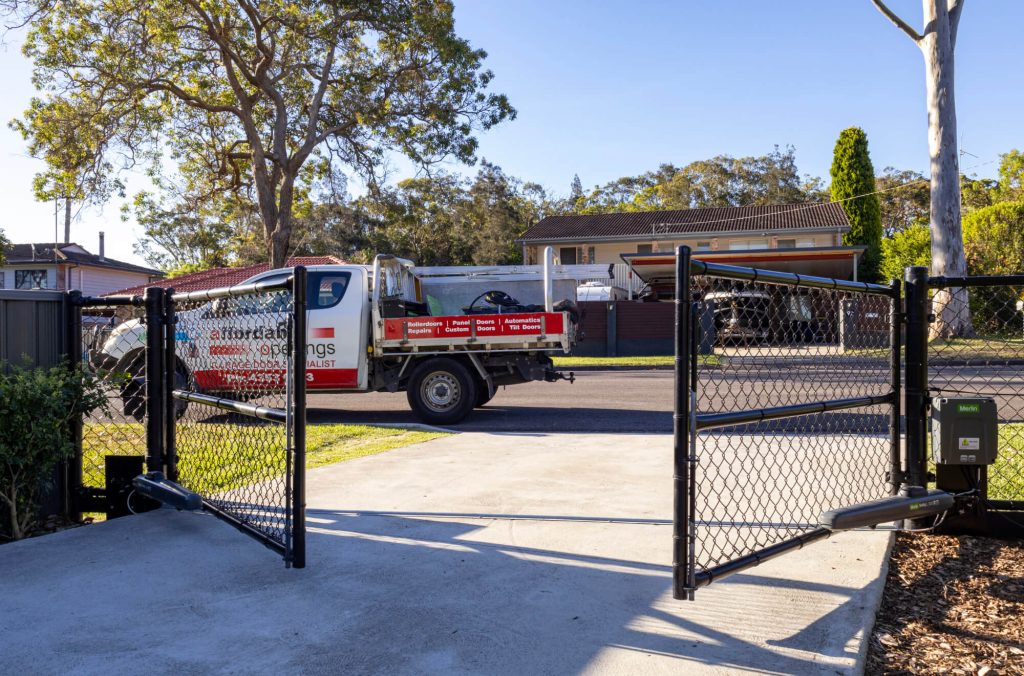
An automatic gate uses a motorised system to open and close the gate automatically.
Instead of leaving the vehicle to operate the gate manually, the user activates the system using a remote control, keypad, smartphone app or access system. The gate motor then moves the gate open or closed using a mechanical drive system.
Automatic gates are commonly installed on:
- Residential driveways
- Gated communities
- Commercial properties
- Strata complexes
- Acreage homes with long driveways
Most automated systems include safety sensors that detect obstacles and stop the gate if something is in its path. This helps prevent damage to vehicles and improves safety for pedestrians.
For many property owners, automation turns a simple gate into a controlled access point that improves both security and everyday convenience.
Cost Comparison: Manual vs Automatic Gates
Cost is often one of the first considerations when choosing between manual and automatic gates.
Manual gates generally have a lower upfront cost because they do not require motors, electrical wiring or control systems. Installation typically involves the gate itself along with posts, hinges or sliding tracks.
Automatic gates involve additional components including:
- gate motors
- control units
- safety sensors
- remote controls or access devices
- electrical connections
Because of these additional systems, automated gates typically have a higher installation cost.
However, many property owners consider automation a worthwhile investment because it improves usability and adds value to the property over time.
Security Differences
Both manual and automated gates can improve property security, but they operate differently.
Manual gates provide a physical barrier that can help deter unwanted access. However, because they must be opened manually, they are often left open for convenience during the day.
Automatic gates allow the entrance to remain closed at all times while still providing easy access for authorised users.
Many automated systems can also integrate with additional security features such as:
- keypad entry systems
- intercom access
- remote control access
- smartphone control
- timed closing systems
These features allow property owners to control exactly who can enter the property and when.
Convenience and Everyday Use
Convenience is often the deciding factor when comparing automatic and manual gates. There are many benefits to an automated gate.
With a manual gate, every entry or exit requires stopping the vehicle, getting out, opening the gate and closing it again. This may not seem like a major issue initially, but it can become frustrating if the gate is used frequently.
Automatic gates remove this inconvenience. The gate opens automatically with the press of a button, allowing the driver to remain inside the vehicle.
For households that use their driveway multiple times per day, the time and effort saved can make a significant difference.
Maintenance Differences
Maintenance requirements also differ between manual and automated systems.
Manual gates mainly require occasional inspection of hinges, rollers or tracks to ensure the gate moves freely.
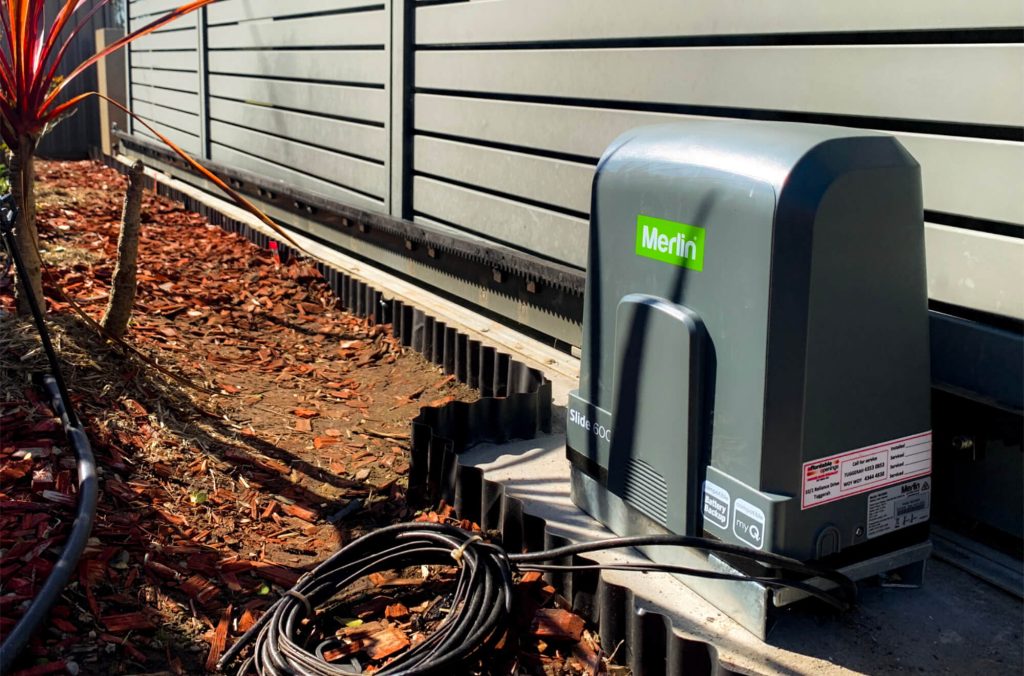
Automated gates include additional components that may require servicing over time, such as motors, control boards and safety sensors.
Regular maintenance for automated gates typically includes:
- checking motor operation
- inspecting safety sensors
- ensuring the gate remains properly aligned
- testing remote access systems
While automation introduces additional mechanical parts, professional servicing can help ensure the system continues operating reliably.
Best Choice for Different Property Types
The best gate option often depends on the property itself and how the entrance is used day to day. Factors such as driveway length, traffic frequency and security needs can all influence whether a manual or automated gate will be the most practical solution.
Manual gates can work well for:
- small residential properties
- low traffic entrances
- garden or pedestrian gates
- properties where cost is the primary concern
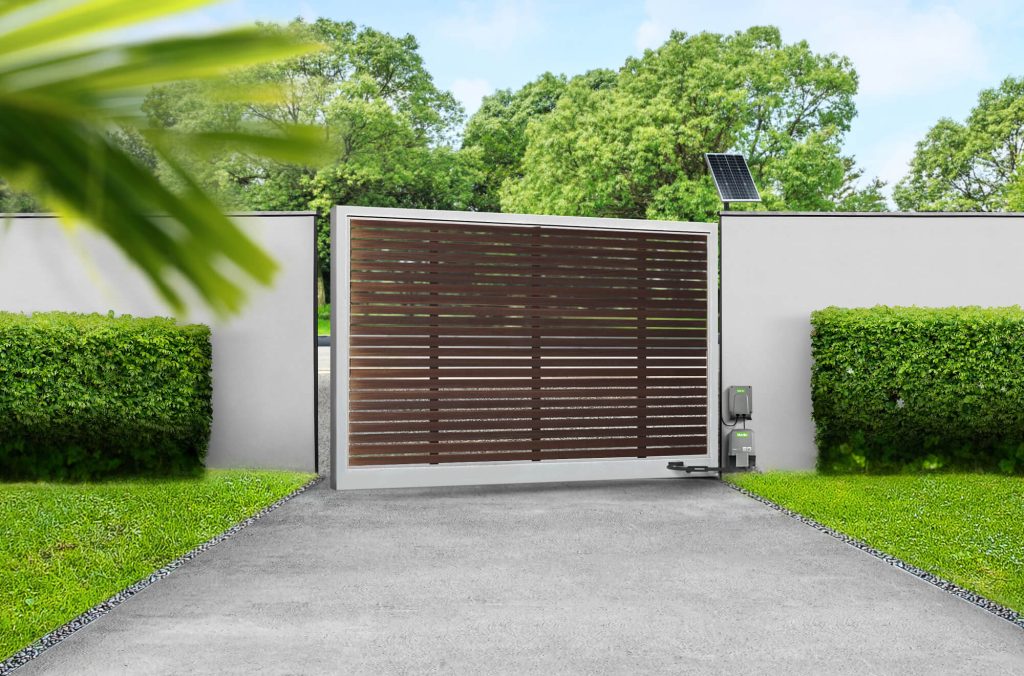
Automatic gates are often better suited to:
- homes with long driveways
- busy residential entrances
- rural or acreage properties
- commercial or strata properties
- homes requiring improved security
For many larger properties, automation simply makes daily access easier and safer.
When Upgrading to an Automatic Gate Makes Sense
Many property owners start with a manual gate and later upgrade to automation.
This often happens when the gate becomes inconvenient to operate regularly. Over time, manually opening and closing a heavy gate can become frustrating, especially if the property is accessed several times per day.
Upgrading to an automated system may make sense if:
- the gate is heavy or difficult to open
- the driveway is long
- the entrance connects to a busy road
- the property receives frequent visitors
- security or access control has become more important
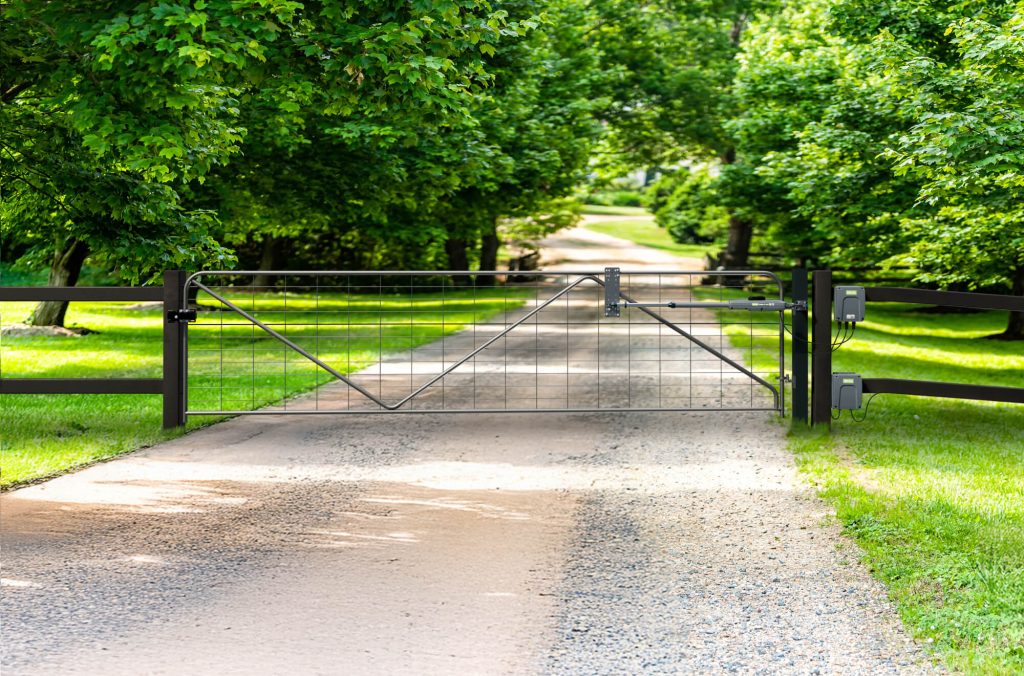
In many cases, an existing gate can be automated if it is structurally suitable and properly aligned.
Making the Right Choice for Your Property
Both manual and automatic gates can serve an important role in controlling access to a property.
Manual gates provide a simple and cost effective option, particularly for smaller properties with limited traffic. Automatic gates, however, offer a higher level of convenience and access control that many homeowners find valuable over time.
For properties with frequent vehicle access, long driveways or higher security needs, automation often becomes the more practical solution.
If you are considering installing a new gate or upgrading an existing one, working with our team at Affordable Openings can help ensure the system is designed to suit your property and how it is used.
Speak With Affordable Openings
Affordable Openings installs and services automated gates across the Central Coast. We work with homeowners, rural property owners and commercial clients to deliver reliable, professionally installed gate systems.
If you are considering installing an automated gate or upgrading your existing setup, contact our team for practical advice and a tailored solution for your property.