Why Delaying Garage Door Repairs Often Costs More Than You Expect
Garage doors tend to sit in the background of daily life. They open, they close, and as long as they keep moving, most homeowners don’t give them much thought. It’s usually not until something goes wrong, a loud bang, a door that won’t open, or a car stuck inside that the problem demands attention.
Are you putting off your garage door repairs because the issue feels minor or inconvenient to deal with?
The reality is that small garage door problems rarely fix themselves. Worn parts, slight misalignments, or unusual noises often signal early wear that can quickly escalate. When left unchecked, these small issues can place extra strain on other components, leading to larger repairs, higher costs, and avoidable safety risks.
This post is designed to give homeowners clear, practical insight into what really happens when garage door repairs are delayed, and why addressing problems early is usually the smarter, less stressful option.
Small Issues Often Lead to Bigger Damage
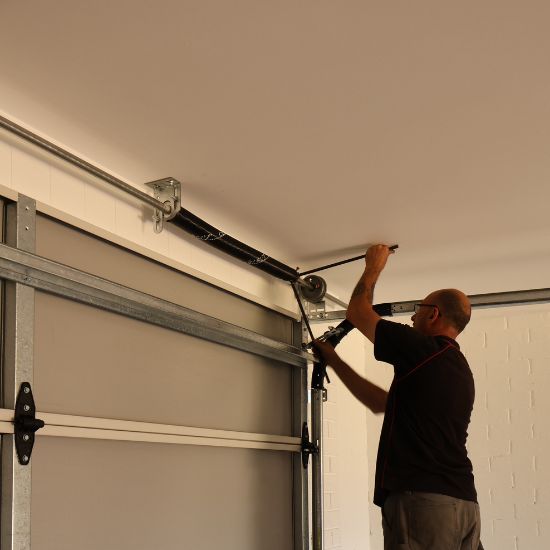
A garage door is not a single piece of equipment. It is a system made up of springs, cables, rollers, tracks, hinges, and a motor that all rely on each other to work smoothly. When everything is properly balanced and aligned, the door opens and closes with minimal effort.
When one part starts to wear or move out of alignment, the rest of the system is forced to compensate. This extra strain spreads quickly. What begins as a small issue in one area often affects multiple components, even if the door still appears to be working.
Minor faults rarely stay isolated because the garage door operates under constant movement and tension. A slightly unbalanced door can pull unevenly on cables. Worn rollers can place extra pressure on tracks. Springs that are losing tension force the motor to work harder than it should. Over time, these added stresses accelerate wear across the entire system.
Common small problems that can escalate include:
- A noisy roller that gradually damages the track
- A door that feels heavier, putting strain on springs and the opener
- Slight track misalignment that leads to cable wear
- Loose hardware that causes uneven movement and vibration
Addressing these early signs helps prevent a chain reaction of damage that is far more costly and disruptive to repair later.
Repair Costs Increase the Longer You Wait
One of the biggest misconceptions about garage door problems is that delaying a repair saves money. In reality, it often does the opposite. When a fault is addressed early, the repair is usually limited to a single part or a simple adjustment. When it is ignored, that same issue can lead to damage across several components.
As parts wear unevenly, technicians are no longer fixing one problem. They are repairing the flow on damage it has caused. This increases both the time required and the number of parts involved in the repair.
For example, a door that is slightly out of balance may seem manageable at first. Over time, that imbalance puts extra load on the springs, cables, rollers, and motor. Instead of a straightforward adjustment, the repair can escalate into spring replacement, cable repairs, or even motor failure.
Delaying repairs can also remove the option of repair altogether. Parts that might have been adjusted or reinforced early can become too worn or damaged to reuse, leaving replacement as the only safe solution.
In most cases, early intervention keeps costs predictable and manageable. Waiting often leads to larger repair bills that could have been avoided with timely attention.
Safety Risks for People and Property
Garage doors are heavy and operate under significant tension. Springs, cables, and tracks are all designed to control that weight safely. When one of these components is worn or damaged, the door can quickly become unpredictable.
A failing spring or cable does not always give clear warning before it breaks. When it does, the sudden release of tension can cause the door to drop without control or shift off its tracks. This creates a real risk of injury to anyone nearby and can easily damage vehicles, tools, or stored belongings.
Even smaller faults can create unsafe conditions over time. A door that jerks, tilts, or struggles to move smoothly may look like an inconvenience, but it is often a sign that the system is no longer operating safely. Children, pets, and anyone walking or driving through the garage are exposed to greater risk when these warning signs are ignored. Read our post about child and pet safety around garage doors.
Delaying repairs also increases the chance of the door failing at the worst possible moment, such as closing unexpectedly or becoming stuck partway open. Addressing safety related issues early helps protect both the people using the garage and the property around it.
Damage to the Garage Door Opener
The garage door opener is designed to guide and control the door, not to carry its full weight. When the door is properly balanced, the opener only needs a small amount of force to move it. If the door becomes unbalanced or starts binding in the tracks, the opener is forced to work far harder than it should.
A faulty door often turns the motor into the system’s problem solver. Instead of addressing the underlying issue, the opener strains to pull a door that is too heavy, misaligned, or dragging. Over time, this extra load can wear out gears, damage internal components, and significantly shorten the life of the motor.
There are several signs that an opener is compensating for another issue:
- The motor sounds louder or labours during operation
- The door moves in short, uneven bursts
- The opener struggles to lift the door or reverses unexpectedly
- Remote controls or wall buttons feel less responsive
In many cases, the opener itself is not the original problem. Early servicing that restores proper door balance can prevent damage to the motor and extend its lifespan. The cost of a basic service or minor repair is typically far lower than replacing an opener that has failed due to prolonged strain.
Addressing door issues early protects the opener and avoids the higher cost and inconvenience of a full motor replacement.
Inconvenience and Unexpected Breakdowns
Garage door problems rarely fail gradually in a way that is convenient. More often, a door that has been showing small warning signs will stop working suddenly and without notice.
What starts as a slight hesitation or unusual noise can quickly turn into a door that will not open or close at all. This often happens at the worst possible time, such as when you are trying to leave for work, get the car out for school drop off, or secure the house at night.
When a garage door fails unexpectedly, it can leave you:
- Locked inside the garage with no safe way to lift the door
- Unable to secure the door fully, creating a security concern
- Forced to rearrange plans while waiting for urgent repairs
Delaying repairs also increases the likelihood of needing an emergency call out. Emergency repairs are usually more stressful, less flexible, and can cost more than a planned service. Addressing issues early allows repairs to be scheduled at a convenient time, rather than reacting to a breakdown when the door has already stopped working.
Fixing small problems before they escalate helps keep your garage door reliable and avoids unnecessary disruption to your day.
Reduced Lifespan of the Entire Door System
Every time a garage door operates while something is not quite right, it shortens the lifespan of the system as a whole. Parts that should last for years can wear out much sooner when they are forced to operate under extra strain.
When repairs are delayed, components do not fail in isolation. Springs lose tension faster, rollers wear unevenly, cables fray, and tracks can slowly bend or shift. Even if each part still appears functional on its own, the combined effect reduces the overall reliability of the door.
This gradual wear often goes unnoticed until multiple parts reach the end of their usable life at the same time. At that point, repairs become more extensive and more expensive, and in some cases full replacement becomes the only practical option.
Regular attention to small issues helps preserve the condition of the entire system. By addressing wear early, homeowners can extend the life of their garage door, avoid premature replacements, and get better long term value from their investment.
When to Act: Early Warning Signs to Watch For
Garage doors usually give clear signs when something is not right. The key is recognising these early and acting before the problem escalates.
Pay attention to how your garage door looks, sounds, and feels during everyday use. Changes are often gradual, which makes them easy to dismiss, but they are rarely harmless.
Common warning signs for garage door problems include:
- New or louder noises such as grinding, squeaking, or banging
- The door opening or closing unevenly
- Slower operation than usual
- The door stopping part way or reversing unexpectedly
- A door that feels heavier when operated manually
- Gaps, misalignment, or visible wear on cables, springs, or tracks
If your garage door does not feel as smooth or predictable as it once did, it is usually telling you something needs attention. Addressing these signs early allows issues to be resolved while they are still manageable, rather than waiting for a breakdown that forces urgent repairs.
Being proactive helps protect your safety, your budget, and the long term performance of your garage door system.
Fixing Problems Early Saves More Than Money
Delaying garage door repairs often feels harmless, especially when the door is still working in some capacity. However, as this article has shown, small issues tend to place ongoing strain on the entire system. Over time, that strain leads to higher repair costs, increased safety risks, inconvenience, and a shorter lifespan for the door and its components.
Addressing problems early keeps repairs simpler, more affordable, and far less disruptive. It also helps ensure your garage door continues to operate safely and reliably, protecting both your home and the people who use it every day.
If something about your garage door does not sound, move, or feel right, it is usually worth having it checked sooner rather than later. A proactive approach provides peace of mind and helps avoid the hidden costs that come with waiting too long.
Don’t Wait Until Your Garage Door Stops Working
If your garage door is making noise, moving unevenly, or not feeling quite right, it is usually a sign something needs attention. A quick inspection now can help prevent bigger repairs, unexpected breakdowns, and safety risks later.
Contact us to book a garage door inspection or repair with Affordable Openings and get peace of mind before small issues escalate.