Why Garage Door Insulation Matters in Extreme Weather
Have you ever walked into your garage on a hot day and felt the heat hit you immediately? Or noticed that rooms next to the garage are harder to keep cool in summer or warm in winter?
For many homes, the garage door is one of the largest exposed surfaces facing the elements. When it is not insulated, it becomes a direct pathway for extreme heat and cold to move into the home. This can affect comfort, energy use, and even the condition of items stored in the garage.
Garage door insulation is often overlooked because the garage is not considered a living space. However, in extreme weather, the temperature inside the garage can influence the rest of the house more than most people realise. Understanding how insulation works and why it matters can help homeowners reduce energy strain and create a more stable indoor environment all year round.
Read our post on insulated vs non-insulated garage doors.
How Garage Doors Affect Indoor Temperature
A garage door covers a large surface area and is often one of the thinnest barriers between your home and the outside environment. When that door is not insulated, it allows heat and cold to transfer easily, especially during periods of extreme weather.
In hot conditions, external heat radiates through the door and builds up inside the garage. In colder weather, warmth escapes just as easily. This temperature movement does not stop at the garage. If the garage shares walls or ceilings with living spaces, those areas are often affected first.
Garages also act as a buffer zone for the home. When that buffer is compromised, heating and cooling systems have to work harder to maintain a comfortable indoor temperature. Over time, this can lead to higher energy use and uneven temperature control throughout the house.
An insulated garage door helps slow this transfer of heat and cold. By reducing temperature extremes in the garage, it helps stabilise conditions in adjoining rooms and supports more efficient climate control across the home.
The Impact of Extreme Heat
During periods of extreme heat, an uninsulated garage door can quickly turn the garage into a heat trap. Metal and thin panel doors absorb and transfer heat with very little resistance, allowing temperatures to build throughout the day.
This can lead to several flow on effects:
Heat transfer into the home
Garages attached to the house can push excess heat through shared walls and ceilings, making nearby rooms harder to cool.
Increased strain on cooling systems
As indoor temperatures rise, air conditioning systems often run longer and work harder to maintain comfort.
Damage to stored items
Prolonged exposure to high temperatures can affect paint, tools, electrical equipment, and even vehicles, leading to reduced performance or shortened lifespan.
An insulated garage door helps reduce these impacts by creating a barrier between the outside environment and the garage interior, keeping temperatures more stable and improving overall home comfort.
The Impact of Cold and Temperature Swings
Cold weather and sudden temperature changes can be just as disruptive as extreme heat, particularly when a garage door is not insulated. Without a barrier in place, cold air moves easily through the door and into the garage space.
This can create several ongoing issues:
Heat loss from the home
When the garage is attached, cold air can draw warmth out of neighbouring rooms, making it harder to maintain a comfortable indoor temperature.
Condensation and moisture build up
Temperature differences between inside and outside air can lead to condensation forming on garage door panels and surrounding surfaces. Over time, this moisture can contribute to corrosion and damage.
Increased wear on garage door components
Repeated expansion and contraction caused by temperature swings can affect panels, seals, and hardware. This can lead to misalignment, stiffness, or reduced performance over time.
Benefits of Insulated Garage Doors
Insulating a garage door offers more than just protection from extreme temperatures. It improves comfort, efficiency, and the overall performance of the door system.
Improved temperature control
Insulation helps keep the garage cooler in hot weather and warmer in cold conditions. This stabilises temperatures and reduces the impact of weather extremes on adjoining living spaces.
Reduced energy usage
By limiting heat transfer through the garage door, insulation helps heating and cooling systems operate more efficiently, which can reduce overall energy demand.
Quieter operation
Insulated doors tend to absorb sound better than non insulated options. This can reduce noise from outside and minimise vibration during door operation.
Increased door strength and durability
Insulated garage doors are often more rigid and resistant to dents and warping. This added strength supports long term performance and reliability.
Insulation and Garage Door Longevity
Extreme temperatures place ongoing stress on garage door systems. Without insulation, doors are exposed to constant expansion and contraction as temperatures rise and fall. Over time, this movement can affect panels, seals, tracks, and hardware.
Insulated garage doors help reduce these temperature swings, which can lead to several long term benefits:
Reduced expansion and contraction
More stable temperatures place less stress on door panels and joints, helping maintain proper alignment over time.
Less strain on motors and hardware
When a door operates smoothly and evenly, the opener and moving parts are not forced to compensate for resistance caused by warped or stiff components.
Improved long term performance
By reducing wear across the system, insulation supports consistent operation and helps extend the usable life of the garage door and its components.
For homeowners, this can mean fewer repairs and better reliability over the life of the door.
Is Your Garage Door Insulated Enough
Many homeowners are unsure whether their garage door is insulated or if it provides adequate protection in extreme weather.
Some common signs of poor insulation include:
- The garage becoming extremely hot or cold compared to outdoor conditions
- Rooms next to the garage being harder to heat or cool
- Condensation forming on the inside of the garage door
- Noticeable temperature differences when entering the garage
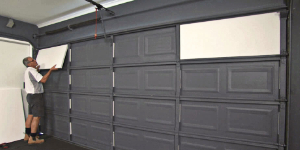
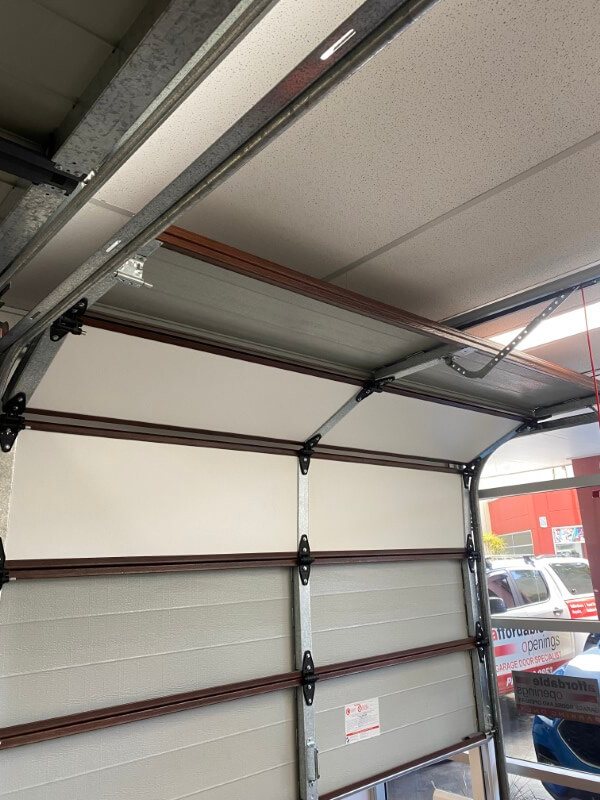
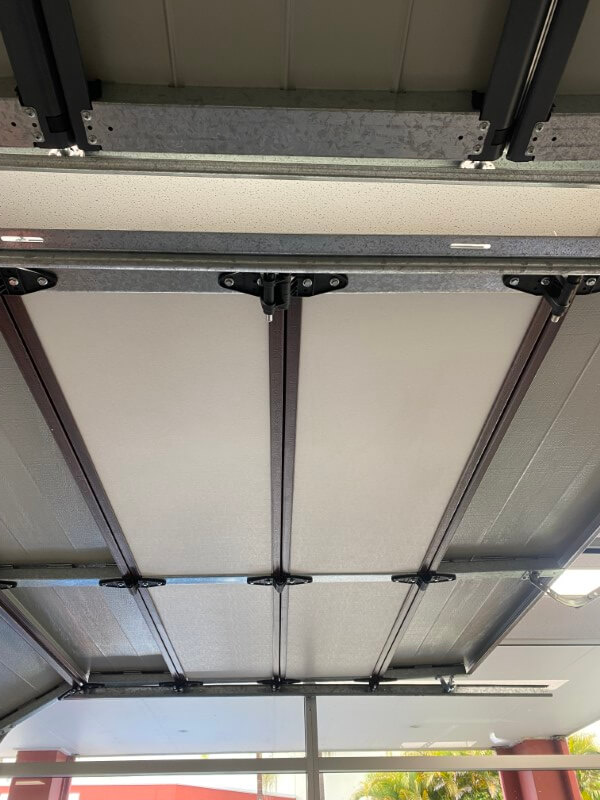
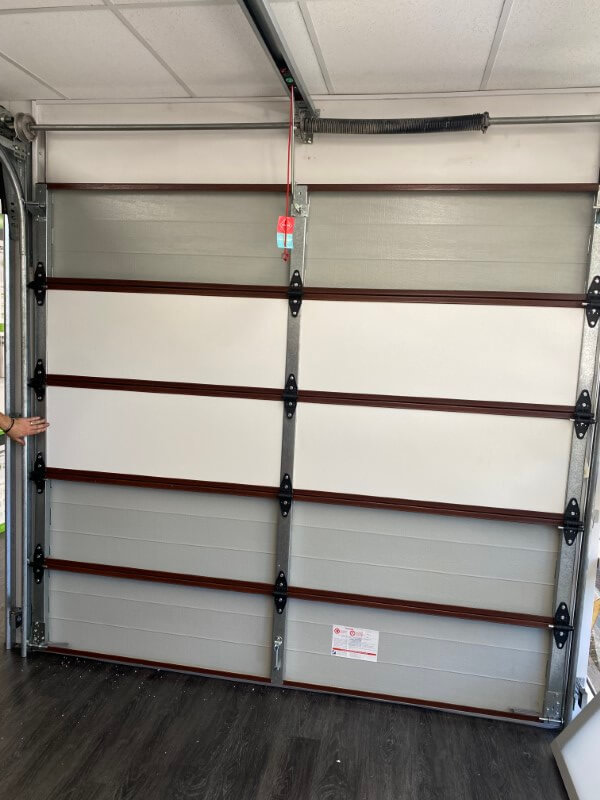
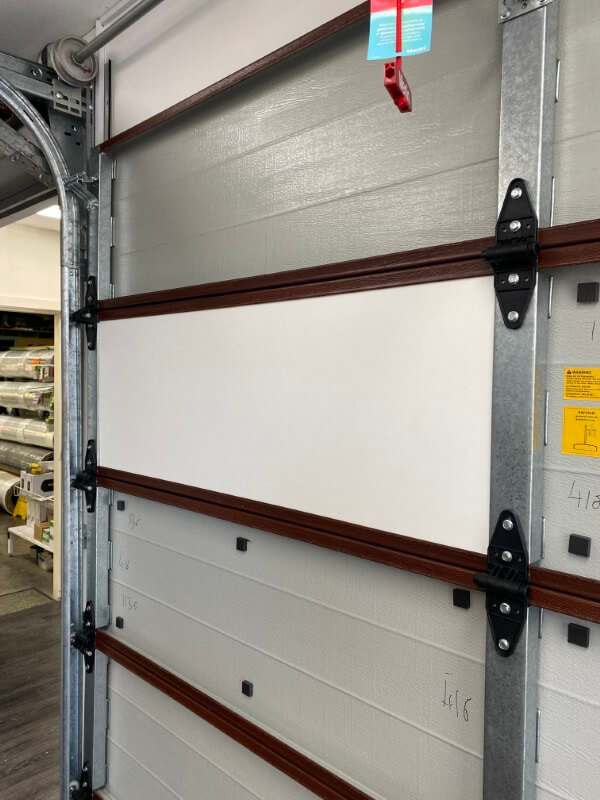
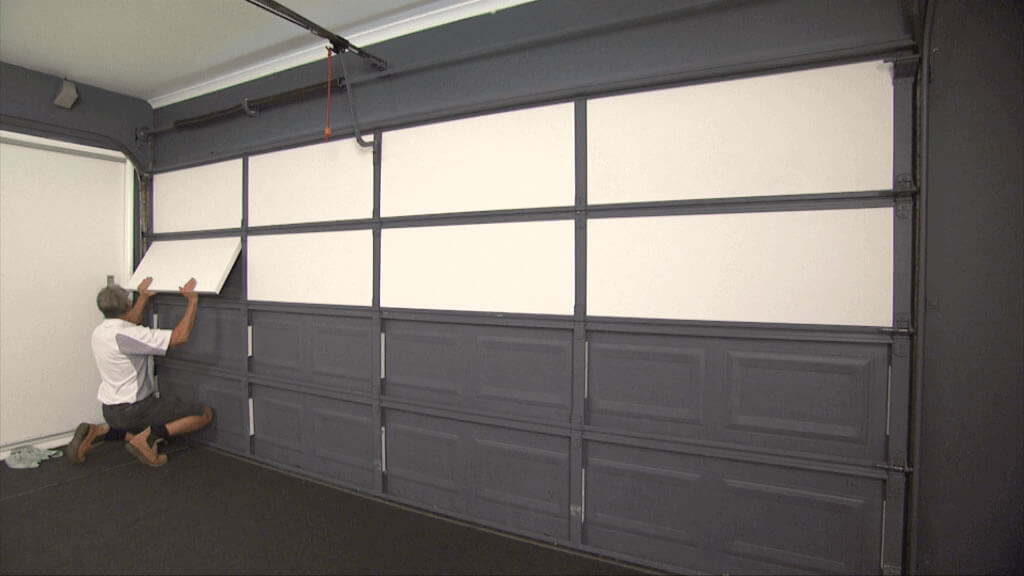
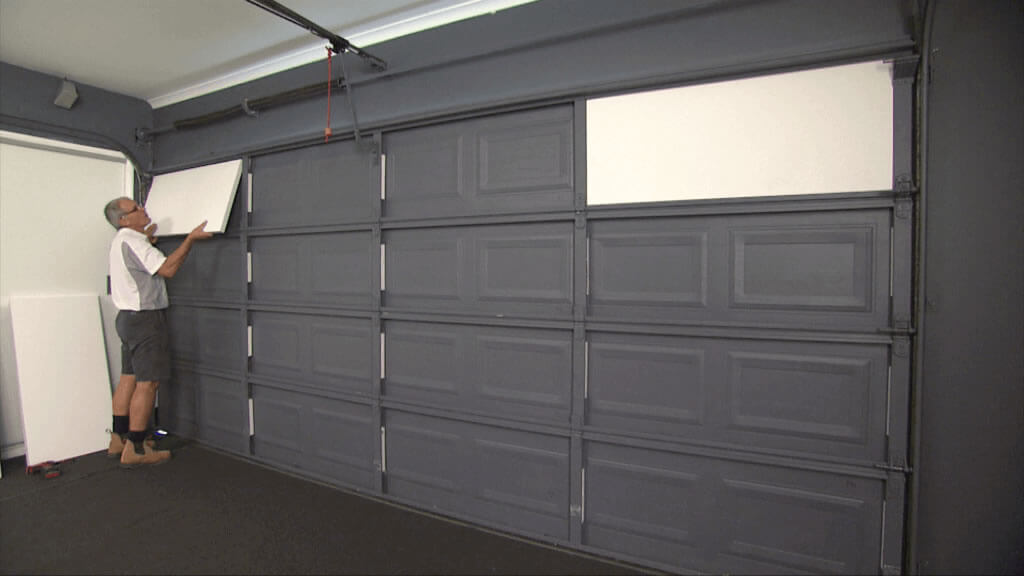
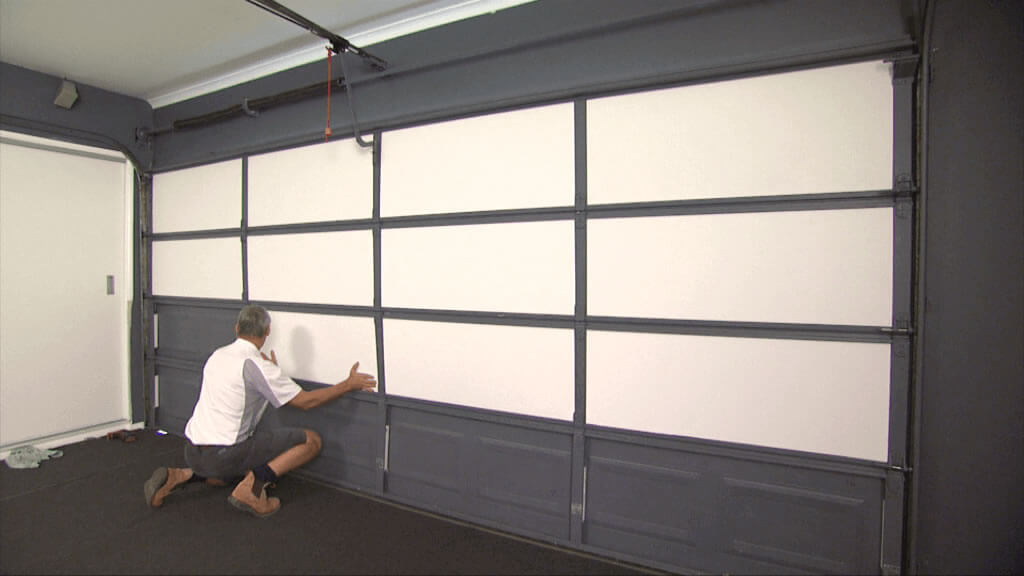
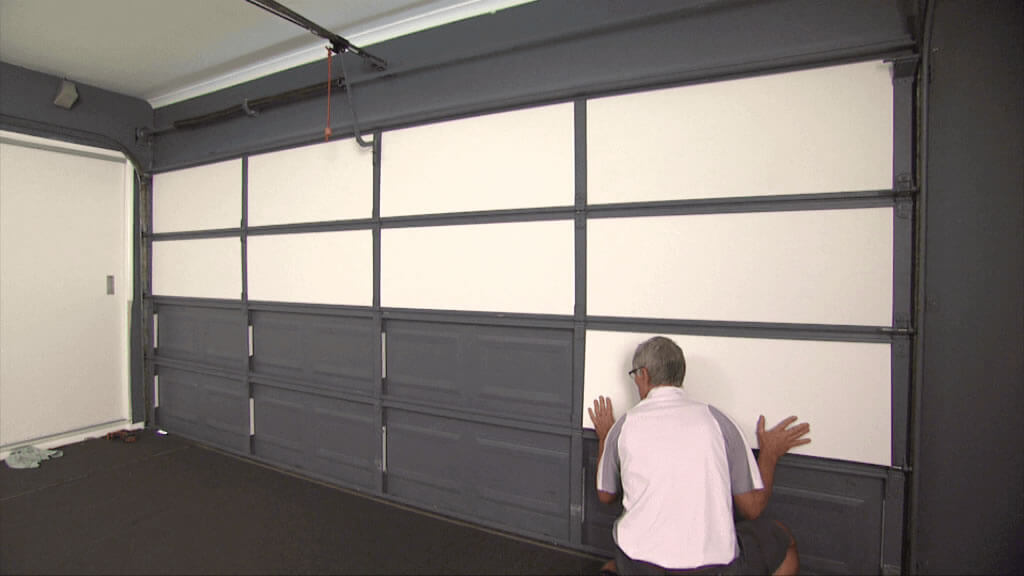
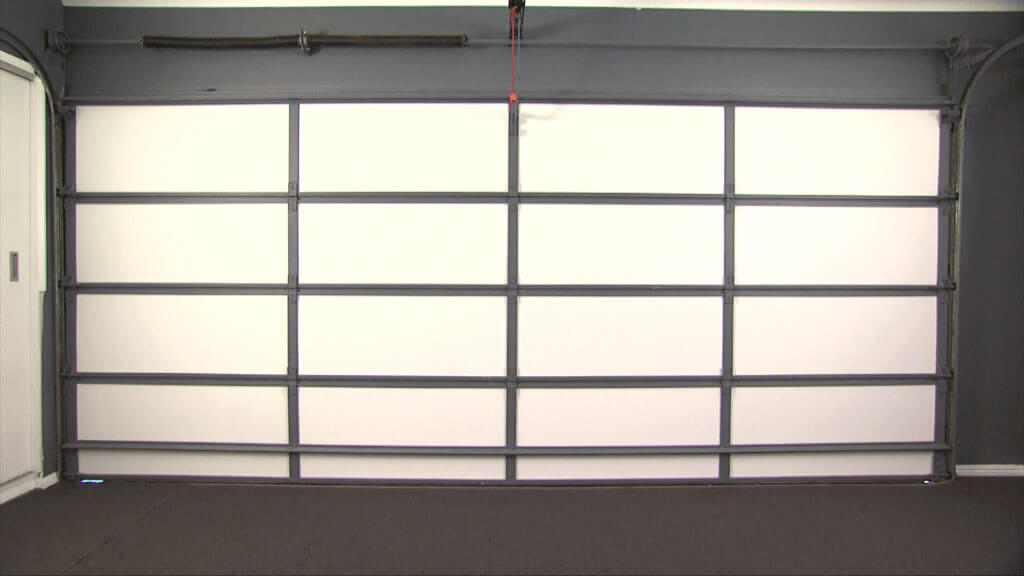
Insulated garage doors typically include internal layers designed to slow heat transfer, while non insulated doors are often single panel constructions that offer little resistance to temperature change.
If your garage experiences significant temperature extremes, upgrading insulation or replacing the door may be a worthwhile consideration.
A Practical Upgrade for Extreme Conditions
Garage door insulation plays an important role in protecting homes from extreme weather. By reducing heat transfer, improving temperature stability, and supporting more efficient energy use, insulated doors help create a more comfortable and resilient home environment.
Beyond comfort, insulation also supports the long term performance of the garage door system, reducing wear and helping prevent avoidable issues over time. For homeowners in areas that experience heat, cold, or rapid temperature changes, insulation is a practical investment with lasting benefits.
Take the Guesswork Out of Garage Door Insulation
If you are unsure whether your garage door is insulated or performing as it should, a professional assessment can help clarify your options.